
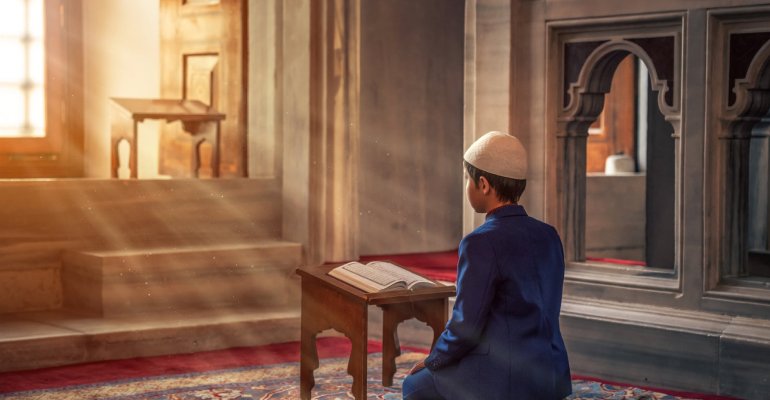
Understanding Fear and Reliance in Islam In Islam, the state of a believer’s heart is constantly balanced between fear (Khawf) and hope, ultimately leading to complete reliance on Allah (Tawakkul). Understanding the different types of fear and how to properly place our trust in the Almighty is essential for spiritual growth, peace of mind, and strong faith (Aqeedah).
The Three Types of Khawf (Fear) in Islam Islamic scholars categorize fear into three distinct types. Understanding these helps us ensure that our hearts remain correctly attached to Allah alone:
1. Natural Fear (Khawf Tabee’i) This is the innate, instinctual fear that human beings experience in the face of physical danger. Examples include the fear of a wild animal, a raging fire, or a dangerous storm. This type of fear is completely permissible (Halal) and normal. Even the Prophets experienced natural fear, as mentioned in the Quran regarding Prophet Musa (Moses) when he fled from physical danger.
2. Prohibited or Sinful Fear (Khawf Muharram) This occurs when a person fears another human being or creation so much that it causes them to abandon an obligation to Allah or commit a sin. For example, skipping your obligatory daily prayers (Salah) solely because you are afraid of what your coworkers might say. We must constantly strive to overcome this fear by remembering that no creation has power over us without Allah’s permission.
3. The Fear of Reverence and Worship (Khawf as-Sirr) This is the praiseworthy and obligatory fear of Allah (SWT). It is the deep reverence, awe, and awareness of Allah’s ultimate majesty, justice, and accountability. True Khawf of Allah does not make a believer flee from Him; instead, it makes the believer flee towards Him in sincere repentance and obedience.
What is Tawakkul (Reliance on Allah)? Tawakkul translates to trusting in Allah’s ultimate plan and relying entirely on Him. However, a common misconception is that Tawakkul means doing nothing and expecting Allah to fix everything. In Islam, true Tawakkul requires two things: taking action using all permissible means available to you, and then leaving the final outcome completely to Allah.
As the famous Hadith states: A man asked the Prophet Muhammad (PBUH), “Should I tie my camel and trust in Allah, or should I leave her untied and trust in Allah?” The Prophet (PBUH) beautifully replied, “Tie her and trust in Allah.” (Tirmidhi).
Deepen Your Islamic Knowledge Today Understanding profound concepts like Khawf and Tawakkul begins with a strong foundation in the Holy Quran. If you want to deepen your connection to Allah’s words, book a 7-Day Free Trial today with a certified Hafiz. We offer 1-on-1 online Quran classes tailored to your pace and timezone!
Leave A Comment